 راهنمای خودروها
یک استعلام صادرات خودرو چگونه از تأمین کالا تا تحویل پیش میرود
A useful export enquiry starts with five facts: the vehicle, configuration, quantity, destination market, and timing. From there, the source and vehicle records can be verified before documentation, inspection, storage, domestic transport, customs handling, and cross-border logistics are planned.
Keep each checkpoint visible
The buyer should know what has been confirmed, what remains subject to verification, and which party owns the next action. Website catalogue content is only the starting point; the quotation and contract define the vehicle and transaction.
 مالکیت و نگهداری
درک دروازههای صادرات خودرو
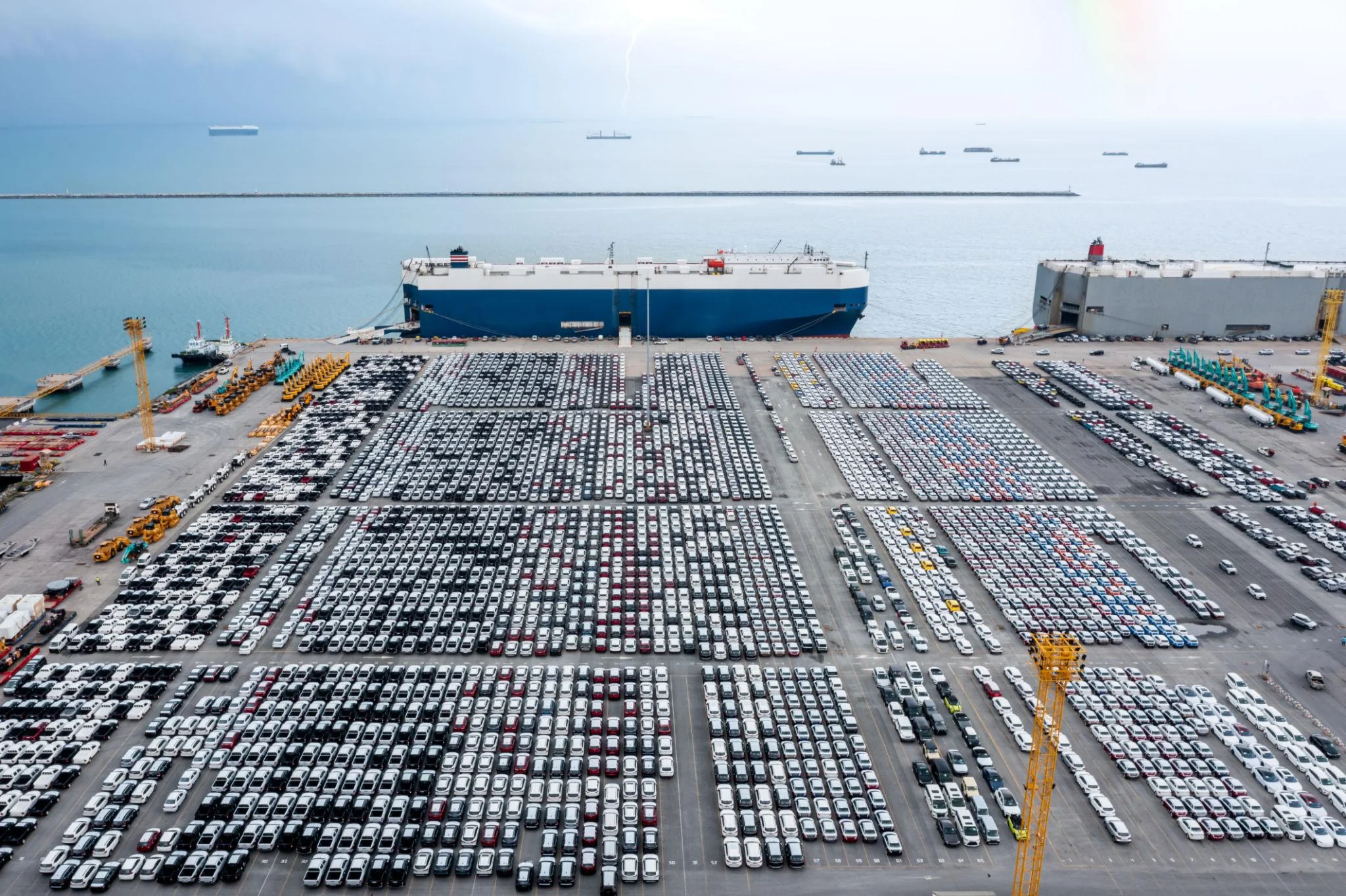
Land and sea gateways support different route options, but the right choice depends on the vehicle, destination, schedule, customs requirements, and current operating conditions.
Route selection is order-specific
Confirm documentation, declaration requirements, transport handoffs, timing, and cost before the vehicle moves. A route option is not a promise that every gateway is available for every order.
 راهنمای خودروها
مواردی که خریداران باید پیش از درخواست قیمت خودرو تأیید کنند
Prepare the model year, trim, powertrain, colour, quantity, destination market, registration requirements, and target schedule. If the market has specific safety, emissions, charging, or documentation rules, include those at the beginning.
Separate reference content from confirmed terms
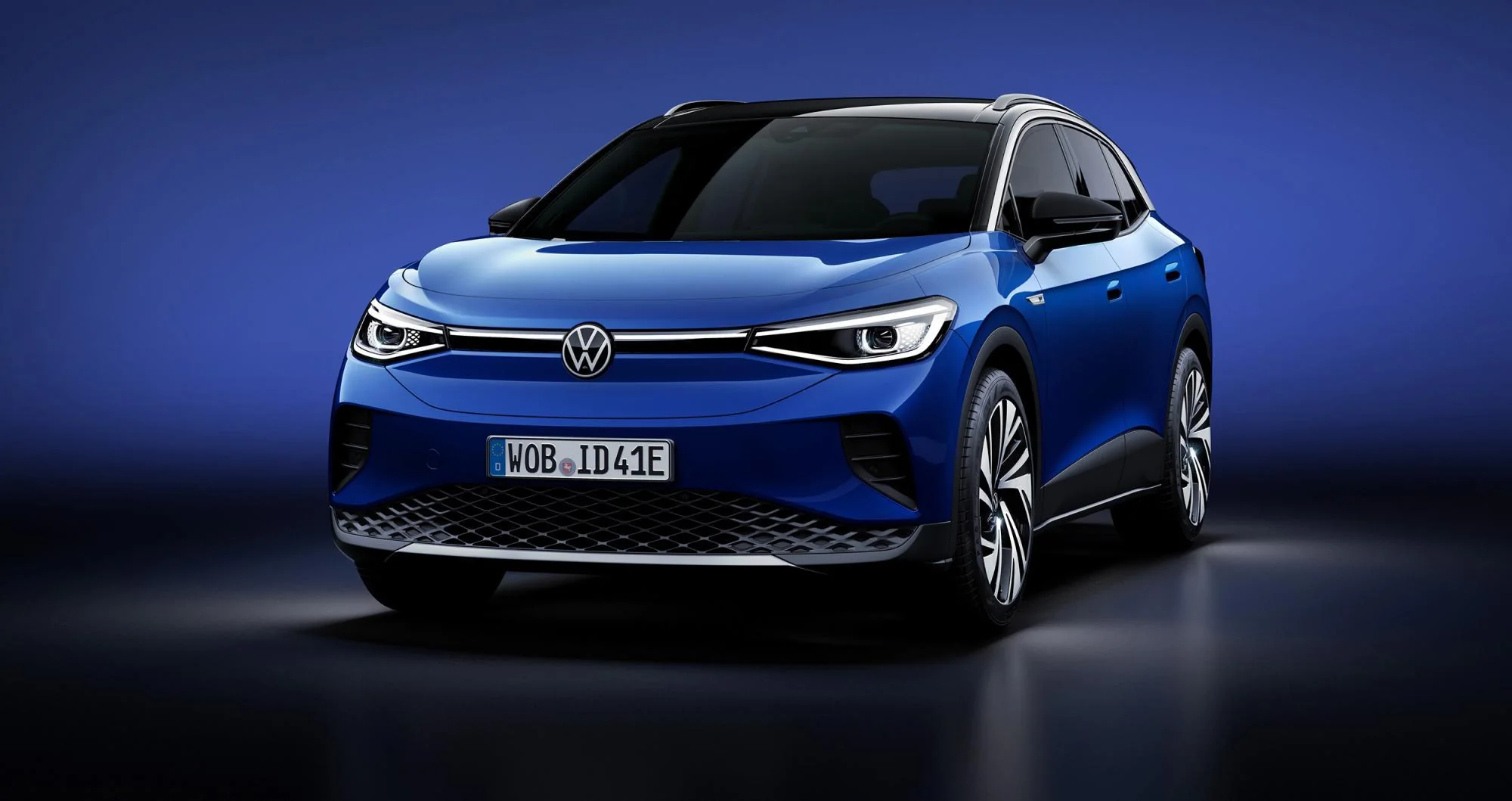
Images and catalogue descriptions help identify the product family. Current stock, exact specification, vehicle condition, price, settlement method, and delivery terms require a source check and written confirmation.
 Import & Delivery
Pre-Delivery Inspection and After-Sales Coordination
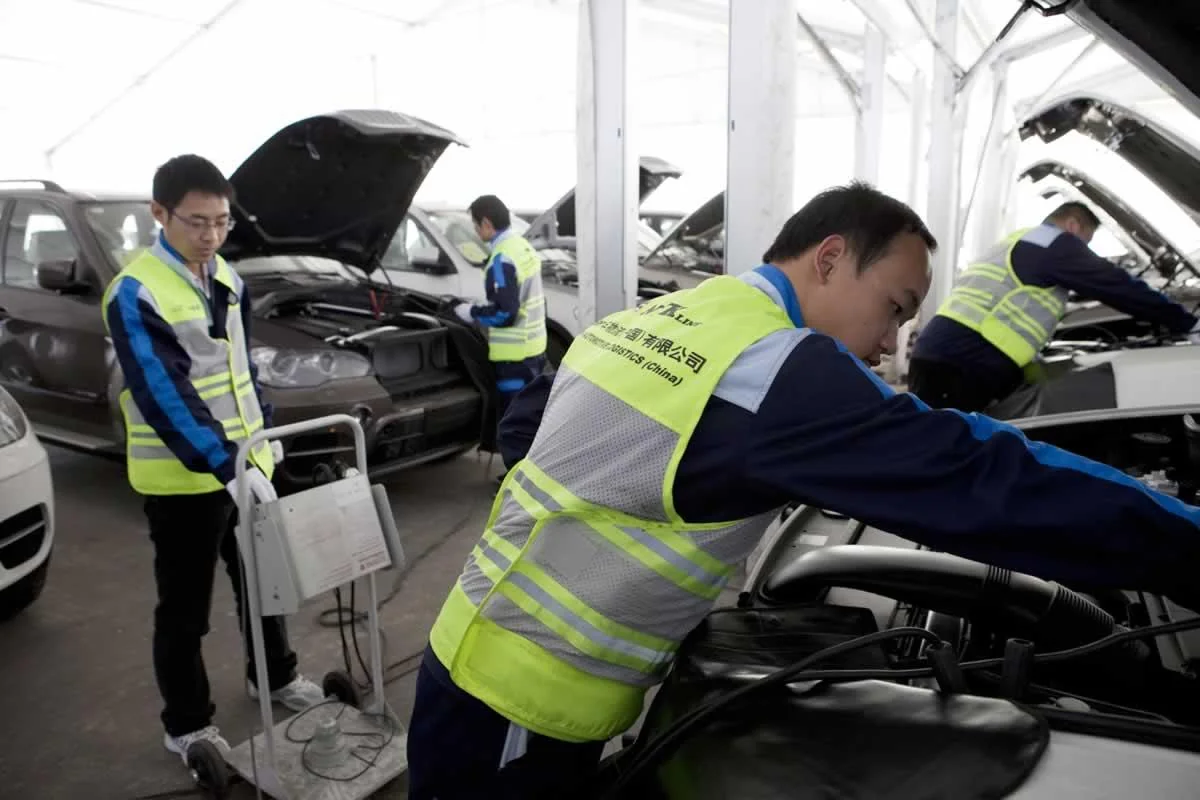
Inspection and preparation before vehicle handoff can be coordinated with maintenance, remote technical communication, and parts sourcing where agreed.
Define scope before shipment
Inspection items, acceptance criteria, reporting format, parts requirements, and after-sales communication channels should be agreed for the specific vehicle programme and destination market.
 مالکیت و نگهداری
Choosing EV, PHEV, or Fuel Vehicles for an Import Programme
Powertrain choice should account for charging or fuel infrastructure, climate, daily use, maintenance capability, local incentives, tax treatment, and registration rules. The right vehicle in one market may not be the right vehicle in another.
Confirm the exact configuration
Battery, charging interface, emissions standard, software, homologation, and warranty support can vary by model year and configuration. Verify the specific source vehicle before quotation.
 راهنمای خودروها
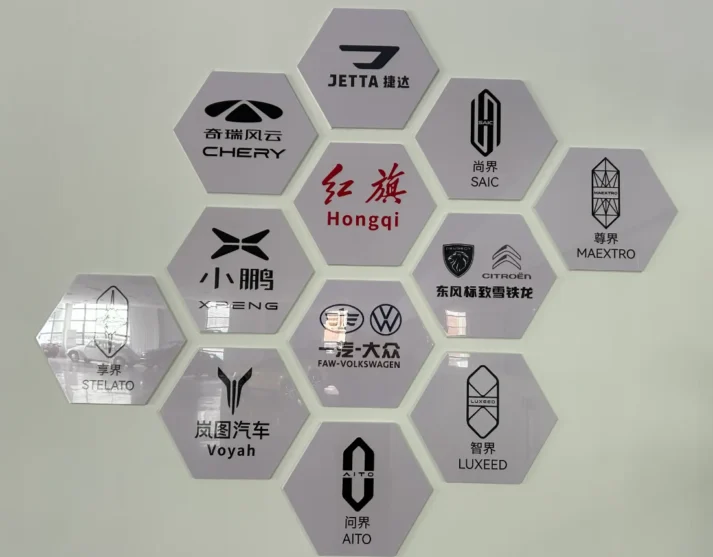
How ZHUOYU Organizes Multi-Brand Vehicle Sourcing
A multi-brand vehicle catalogue helps buyers start comparisons across passenger, SUV, MPV, and new-energy programmes.
Catalogue breadth does not replace verification
Brand authorization, model availability, configuration, and commercial terms are confirmed for each enquiry. Images identify the model family and are not evidence of guaranteed stock.